The original Camino
Camino Primitivo: Complete Guide
The oldest pilgrimage route — walked by King Alfonso II in the 9th century. 321 km from Oviedo through the mountains of Asturias and Galicia, joining the Francés at Melide. The shortest of the major Caminos and the toughest.
Why the Primitivo
The Primitivo is the historical original. When King Alfonso II of Asturias walked from Oviedo to Santiago in the 9th century to verify the discovery of St. James' tomb, this is the path he took. Every other Camino came after.
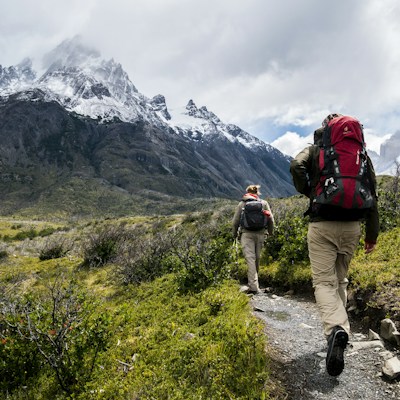
- Mountain Camino. Constant climbs, sweeping ridge walks, high passes — closer to alpine trekking than rural strolling.
- Authentically quiet. Around 5% of all pilgrims walk the Primitivo. You'll see the same faces each night.
- The Hospitales Route. A high-mountain alternative day that's one of the most spectacular sections on any Camino.
- Real Asturias. Cider, cheese, mountain villages with one bar and one church.
Is the Primitivo right for you?
Walk the Primitivo if…
- You've walked a Camino before (Francés, Portugués, or Norte)
- You like mountains more than coastlines
- You want solitude and a tight pilgrim community
- Two weeks is the time you have
- You're trained — daily climbs of 800m+ are normal
Pick another route if…
- –This is your first Camino
- –You have knee or ankle issues — descents are punishing
- –You want big-city stops and varied culture
- –You need accommodation flexibility (villages are tiny)
- –You're walking in winter — many albergues close, Hospitales is unsafe
Stage-by-stage from Oviedo
A typical 13-day plan. Strong walkers compress to 11; gentler pacing extends to 15.
| Day | From → To | Km | Climb | Notes |
|---|---|---|---|---|
| 1 | Oviedo → Grado | 26 | 550m | Gentle start through eucalyptus and oak. |
| 2 | Grado → Salas | 22 | 650m | First taste of climbs. Salas has a beautiful old town. |
| 3 | Salas → Tineo | 20 | 800m | Long climb up. Stunning views from Tineo. |
| 4 | Tineo → Pola de Allande | 28 | 700m | Quiet day, big descents. Pola has great cider houses. |
| 5 | Pola → Berducedo | 18 | 900m | The big one — Puerto del Palo at 1,150m. Choose Hospitales or main route. |
| 6 | Berducedo → Grandas de Salime | 20 | 300m | Spectacular reservoir descent. Easy stage. |
| 7 | Grandas → A Fonsagrada | 26 | 900m | Cross into Galicia. Steep final climb. |
| 8 | A Fonsagrada → O Cádavo | 24 | 700m | Forest and mountain villages. |
| 9 | O Cádavo → Lugo | 30 | 400m | Long but easier. Lugo has the only intact Roman wall in the world — walk it. |
| 10 | Lugo → As Seixas | 23 | 300m | Quiet farmland. Rural Galicia at its best. |
| 11 | As Seixas → Melide | 27 | 300m | Join the Francés at Melide. Crowds return. Try the pulpo. |
| 12 | Melide → O Pedrouzo | 33 | 400m | Standard Francés stage. Busy. |
| 13 | O Pedrouzo → Santiago | 20 | 200m | Arrival day. Cathedral by midday. |
The Hospitales Route
A high-mountain variant on Day 5
Open mountain ridge at 1,100–1,200m. No villages, no shelter, no water for 14 km. Walk it only in clear weather, fully provisioned. In fog or snow, take the main valley route.
The Hospitales Route detours from Pola de Allande over a high mountain pass, passing the ruins of three medieval pilgrim hospitals — the eponymous hospitales. It's roughly the same distance as the main route but adds 400 m of climb and trades shelter for raw beauty. Most Primitivo pilgrims rate it the single most memorable day of the entire walk.
- Carry 2 L of water minimum — no refill points.
- Pack a windproof shell and warm layer even in summer.
- Start early — afternoon storms blow in fast.
- Check weather the night before in Pola de Allande. If in doubt, take the lower route.
When to walk
May–Jun
Best
Wildflowers, melting snow on passes, fewer crowds.
Jul–Aug
Good
Cooler than the Meseta. Hospitales most reliable.
Sep–Oct
Excellent
Crisp air, clear views, harvest in valleys.
Nov–Apr
Avoid
Snow on passes, many albergues closed, Hospitales unsafe.
The Primitivo's weather is genuinely mountain weather. Sunny mornings turn into thunder afternoons. Even in August, nights at altitude drop to 8°C. Always carry a warm layer.
How packing differs from the Francés
- Trekking poles are non-negotiable. Constant climbs and steep descents. Pole-less knees fail by day 6.
- Boots, not trail runners. Loose rock, mud, and slippery slate. Ankle support saves trips.
- Real waterproof shell. Mountain rain is heavier and colder than meseta rain.
- Insulated layer. A light down or synthetic puffy — even in July.
- Headlamp. Early starts on Hospitales day are common.
- More food capacity. Villages on the Primitivo are tiny; some have one bar that closes Sundays. Always carry an emergency lunch.
- Smaller, lighter pack. Every kilo punishes more on the climbs. Target 6–7 kg total.
Asturian food on the trail
Fabada Asturiana
The signature bean and pork stew. Half portions are still huge — order one between two.
Sidra Asturiana
Natural cider, poured from arm's length to aerate. Try a sidrería in Pola or Tineo.
Cachopo
Two veal steaks stuffed with ham and cheese, breaded and fried. Recovery food.
Queso de Cabrales
Pungent blue cheese aged in mountain caves. Crumble over bread with honey.
Caldereta de Cordero
Lamb stew, mountain village staple. Slow-cooked, ridiculous portions.
Tarta Casadiella
Walnut-and-anisette pastry from the Asturian countryside. Coffee-stop fuel.
Pote Asturiano
Bean and cabbage stew with chorizo. Lighter cousin of fabada, just as filling.
Pulpo a Feira (Melide)
Once you join the Francés, eat octopus in Melide. It's not optional.
Accommodation: what to expect
The Primitivo's albergue network is sparse but real. Each stage has a confirmed bed, but many villages have only one albergue — when it fills, the next is 8+ km away. Pace your day around accommodation, not just distance.
- Municipal albergues: €8–12, basic, first-come first-served. Pilgrim passport required.
- Private albergues: €15–18, often with better kitchens and bedding. A few accept reservations.
- Casa rurals: €40–60 for a private room. Worth budgeting one or two for rest nights.
- Bodenaya albergue: A legendary donativo run by hospitalero David. Shared dinner, no Wi-Fi, often the highlight of pilgrims' Caminos.
- Lugo: Real city — book ahead if walking July–August or arriving on a weekend.
- From Melide onward: Francés pricing and availability. Crowds and beds both increase.
Our top picks for the Primitivo

Primitivo pick
Best ValueMerrell Moab 3 Mid
Classic trail boot with Vibram outsole. Trusted by thousands of pilgrims for comfort and durability.
Primitivo pick
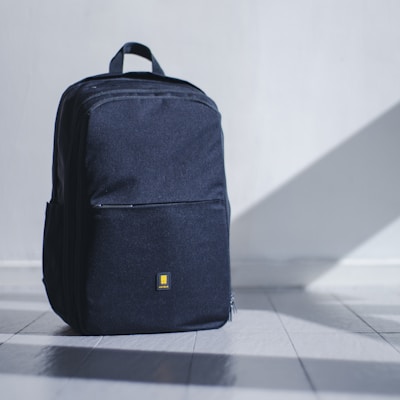
Premium ChoiceOsprey Exos 48
Ultralight backpack with excellent ventilation. The gold standard for long-distance hiking.

Primitivo pick
Premium ChoiceArc'teryx Zeta SL Jacket
Ultralight, packable rain jacket with GORE-TEX. Weighs only 310g but fully waterproof.

Primitivo pick
Best ValueSmartwool Merino 150 Baselayer
Temperature-regulating merino wool base layer. Naturally odor-resistant.
Primitivo pick
Best ValueBlack Diamond Trail Poles
Collapsible trekking poles with cork grips. Reduces knee strain on descents.

Primitivo pick
Premium ChoiceSea to Summit Spark Sleeping Bag
Ultralight 850-fill down sleeping bag. Packs smaller than a water bottle.
Quick FAQ
Is the Camino Primitivo harder than the Norte?+
Yes, day-for-day. Less total distance but more climbing, more remote, less infrastructure. The Norte is endurance; the Primitivo is intensity.
Do I have to walk the Hospitales Route?+
No. The main valley route on Day 5 is beautiful in its own right. Skip Hospitales in bad weather, no questions asked.
Can I combine the Primitivo with the Norte?+
Yes — many pilgrims do. Walk the Norte to Sebrayo or Villaviciosa, then turn inland to Oviedo to start the Primitivo. About 5 weeks total.
Will I get a Compostela on the Primitivo?+
Yes — Oviedo to Santiago is 321 km, well over the 100 km minimum. Get stamps twice a day from Sarria or Melide onward, where it joins the Francés.
How fit do I need to be for the Primitivo?+
Fitter than for the Francés. Train with daily 15–20 km walks including hills for at least 8 weeks. Backpack training is essential.
The Camino Packing List Team
Pilgrim-tested editors
We've walked the Camino Francés, Portugués, Norte and Primitivo. Every product on this site is field-tested or vetted against pilgrim feedback before it makes our list.