The coastal Camino
Camino del Norte: Complete Guide
825 km along Spain's wild Atlantic coast, from the French border at Irún to Santiago. The toughest of the four major Caminos — and the most spectacular. Expect cliffs, rain, pintxos, and far fewer pilgrims than the Francés.
Why pilgrims choose the Norte
The Norte is the original coastal pilgrimage — walked when the interior of Spain was still held by the Moors. Today it's the route of choice for repeat pilgrims who've already done the Francés and want something wilder.
- Genuine ocean walking. Cliff paths, fishing villages, hidden coves — the Atlantic is your companion for 4 weeks.
- Basque, Cantabrian & Asturian culture. Three distinct regions, each with its own language traces, food, and architecture.
- Half the crowds. Roughly 1 in 12 pilgrims walks the Norte vs the Francés.
- Cooler summers. Atlantic moderation makes July/August walkable when the Meseta is 38°C.
Is the Norte right for you?
Walk the Norte if…
- You've walked at least one long-distance route before
- You love coastal scenery more than meseta solitude
- You're walking in July or August (heat-averse)
- You want quieter trails and harder days
- Basque food and Asturian cider sound right
Pick another route if…
- –This is your first Camino — start with Francés or Portugués
- –You have less than 4 weeks of walking time
- –You hate rain (it rains here in every season)
- –Your knees struggle with constant climbs and descents
- –You want a big pilgrim community every night
Stage-by-stage overview
Below is a typical 33-day plan. Strong walkers shorten to 28; gentler pacing extends to 38.
| Day | From → To | Km | Region / notes |
|---|---|---|---|
| 1 | Irún → San Sebastián | 25 | Basque Country. Climb Jaizkibel. Pintxos arrival. |
| 2 | San Sebastián → Zarautz | 22 | Beach town. Surfers everywhere. |
| 3 | Zarautz → Deba | 22 | Inland detour over hills. Tough. |
| 4 | Deba → Markina | 24 | Steepest day of week one. Eucalyptus forests. |
| 5 | Markina → Gernika | 25 | Pause at the Tree of Gernika. |
| 6 | Gernika → Bilbao | 30 | Long but rewarding. Stay 2 nights to see the Guggenheim. |
| 7 | Bilbao → Pobeña | 25 | Industrial outskirts then back to coast. |
| 8 | Pobeña → Castro Urdiales | 26 | Cantabria begins. Beautiful old town. |
| 9–14 | Castro Urdiales → Santander → Comillas → Colombres | ~150 | Classic Cantabrian coast. Santander rest day recommended. |
| 15–22 | Colombres → Gijón → Avilés → Soto de Luiña | ~190 | Asturias. Cider country. Choose coastal or interior variant after Soto. |
| 23–27 | Soto de Luiña → Ribadeo → Mondoñedo → Vilalba | ~125 | Cross into Galicia at Ribadeo. Inland turn. |
| 28–33 | Vilalba → Sobrado → Arzúa → Santiago | ~120 | Join the Francés at Arzúa. Crowds return for the final 40 km. |
The Primitivo split at Oviedo
At Sebrayo (Asturias), many pilgrims detour inland to Oviedo to pick up the Camino Primitivo — the original 9th-century Camino through the mountains. It's the toughest variant on offer: high passes, sparse villages, the legendary Hospitales Route over an open mountain ridge at 1,100 m.
The Primitivo rejoins the Francés at Melide (not Santiago), and many pilgrims combine Norte + Primitivo into one of the most demanding pilgrimage experiences in Europe.
When to walk
May–Jun
Best
Mild, green, wildflowers. Some rain.
Jul–Aug
Good
Cooler than Francés. Beaches alive. Book ahead.
Sep
Excellent
Warm sea, thinning crowds, harvest.
Nov–Mar
Tough
Cold rain, fog, many albergues closed.
Expect rain in every month. The Norte's wettest year sees 250+ days with precipitation along the coast. Plan around it, don't fight it.
How packing differs from the Francés
- Real waterproofs. A 3-layer Gore-Tex jacket, not a $20 poncho. Waterproof pants for multi-day rain.
- Boots over trail runners. Many Norte pilgrims regret going light — ankle support helps on steep, slick descents.
- Pack cover + dry bags. Salt air and rain destroy gear. Line your pack and double-bag electronics.
- Warmer sleeping bag. Coastal nights stay cool even in July. A 7°C-rated bag is the minimum.
- Microfiber towel ×2. Nothing dries naturally on the Atlantic coast.
- Trekking poles. Non-negotiable. Constant climbs and descents.
Food & culture along the coast
Pintxos (Basque Country)
Small bites on bread, eaten standing at the bar. San Sebastián has the world's best.
Sidra Asturiana
Asturian cider, poured from a metre overhead. Cider houses (sidrerías) are pilgrim heaven.
Cocido Montañés
Cantabrian stew of beans, cabbage, chorizo. Cold-weather fuel.
Marmitako
Tuna and potato stew from Basque fishermen. Pilgrim menu staple in coastal towns.
Queso de Cabrales
Pungent Asturian blue cheese, cave-aged. An acquired taste — try once.
Txakoli
Slightly fizzy Basque white wine, poured tall like cider. Pairs with everything seafood.
Fabada Asturiana
Bean and pork stew. Order a half portion or you won't walk tomorrow.
Tarta de Santiago
The almond tart with St. James' cross. Eat it on arrival, you've earned it.
Accommodation: what to expect
Albergue infrastructure is real but thinner than the Francés. Plan stages around known beds, especially in shoulder season. Mixing albergues with pensiones is normal — most pilgrims do 2:1.
- Municipal albergues: €8–12, basic, first-come first-served. Pilgrim passport required.
- Donativo albergues: Sparse but special. A few legendary ones in Güemes (Cantabria) and Bodenaya (Asturias).
- Pensiones / guesthouses: €35–55 for a private double. Worth budgeting for after long rainy days.
- Cities (Bilbao, Santander, Gijón): Book ahead — albergues fill and prices spike around weekends and festivals.
- July–August: Book 1–2 days out in coastal towns. The Norte shares beach hotels with regular tourists.
Our top picks for the Norte

Norte pick
Best ValueMerrell Moab 3 Mid
Classic trail boot with Vibram outsole. Trusted by thousands of pilgrims for comfort and durability.
Norte pick
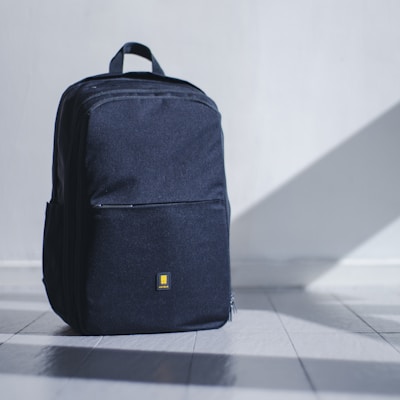
Premium ChoiceOsprey Exos 48
Ultralight backpack with excellent ventilation. The gold standard for long-distance hiking.

Norte pick
Premium ChoiceArc'teryx Zeta SL Jacket
Ultralight, packable rain jacket with GORE-TEX. Weighs only 310g but fully waterproof.

Norte pick
Best ValueSmartwool Merino 150 Baselayer
Temperature-regulating merino wool base layer. Naturally odor-resistant.
Norte pick
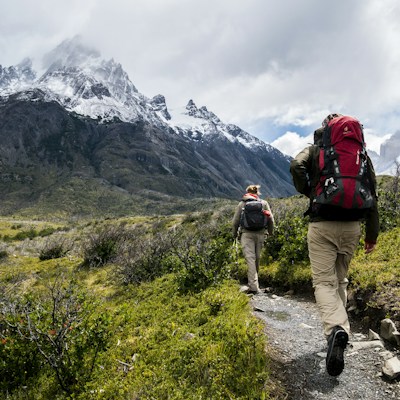
Best ValueBlack Diamond Trail Poles
Collapsible trekking poles with cork grips. Reduces knee strain on descents.

Norte pick
Premium ChoiceSea to Summit Spark Sleeping Bag
Ultralight 850-fill down sleeping bag. Packs smaller than a water bottle.
Quick FAQ
How does the Camino del Norte compare in difficulty to the Francés?+
Significantly harder. More total elevation gain, fewer flat days, more weather, and longer stages required between accommodations.
Can I walk just part of the Camino del Norte?+
Yes. Common short versions are Irún to Bilbao (about one week), or Ribadeo to Santiago for the 100 km Compostela minimum.
Do I need Spanish on the Norte?+
It helps more here than on the Francés. English works in cities, less so in small villages. A pilgrim phrasebook covers most needs.
Is the Camino del Norte safe to walk solo?+
Yes — it is extremely safe, including for solo women. Quieter trails mean longer gaps between pilgrims, so download offline maps.
Norte or Primitivo for a tough second Camino?+
Norte for coastline and length; Primitivo for raw mountains and intensity. Many pilgrims combine Norte and Primitivo in one trip.
The Camino Packing List Team
Pilgrim-tested editors
We've walked the Camino Francés, Portugués, Norte and Primitivo. Every product on this site is field-tested or vetted against pilgrim feedback before it makes our list.